
From an old factory to a museum
Brand Design, Typography Design, Logo
This is the design project that allowed us to open our design studio!
Panificadora is an old bread factory based on one of the main streets of Vigo, Spain. Despite being in ruins for over 20 years, it is still considered the most important architectural legacy in the city.
When we were 18, the building was meant to be demolished to construct a new neighbourhood of luxury flats, so, inspired by the rehabilitation of TATE Modern in London and Matadero in Madrid, we decided to stop the demolition and promote the creation of a space for culture and arts in our hometown. Our campaign, Salvemos a Panificadora (Save the Bread Factory), collected around 5,000 signatures from citizens around the world and pushed the mayor to protect the building. It was declared a ‘building of cultural interest’ in 2011.
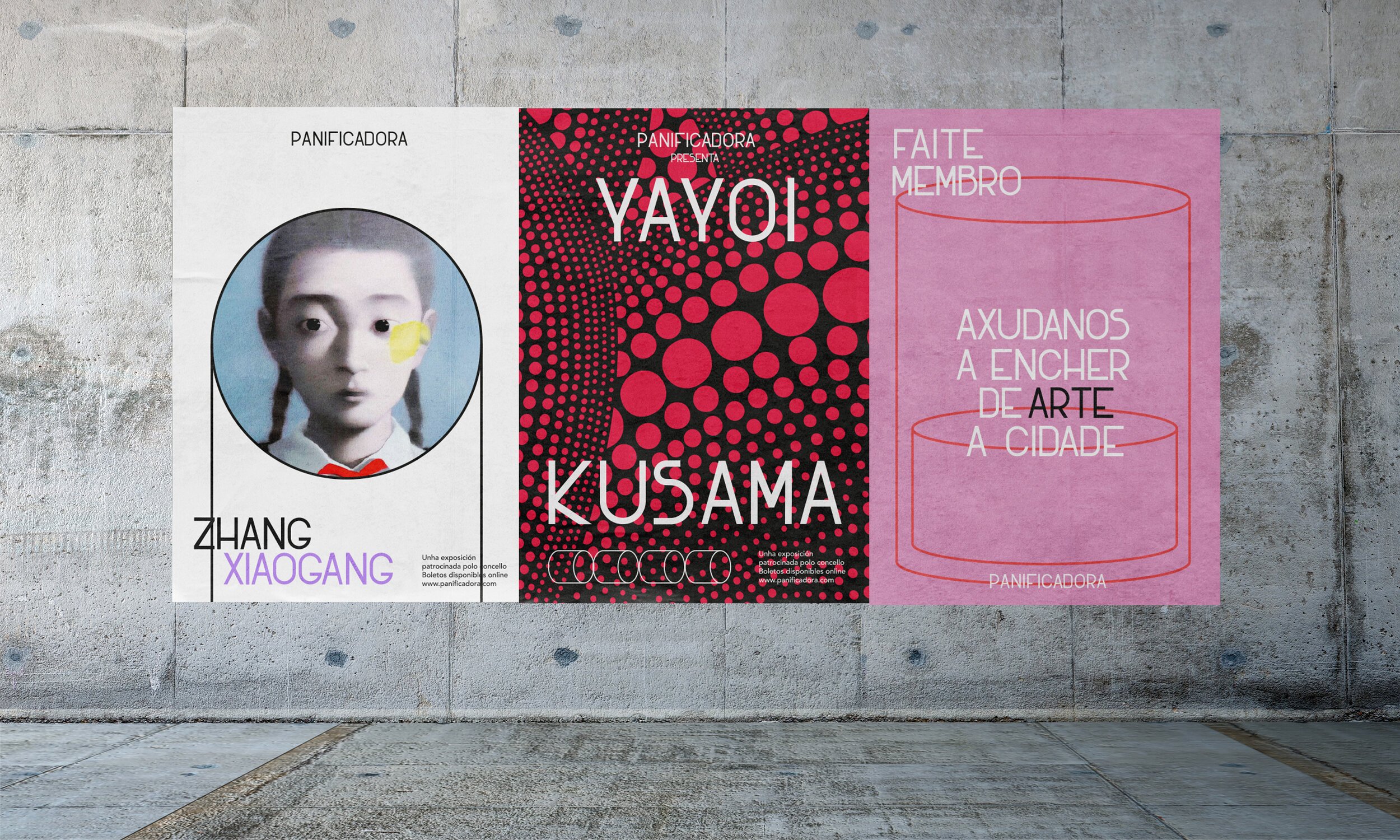
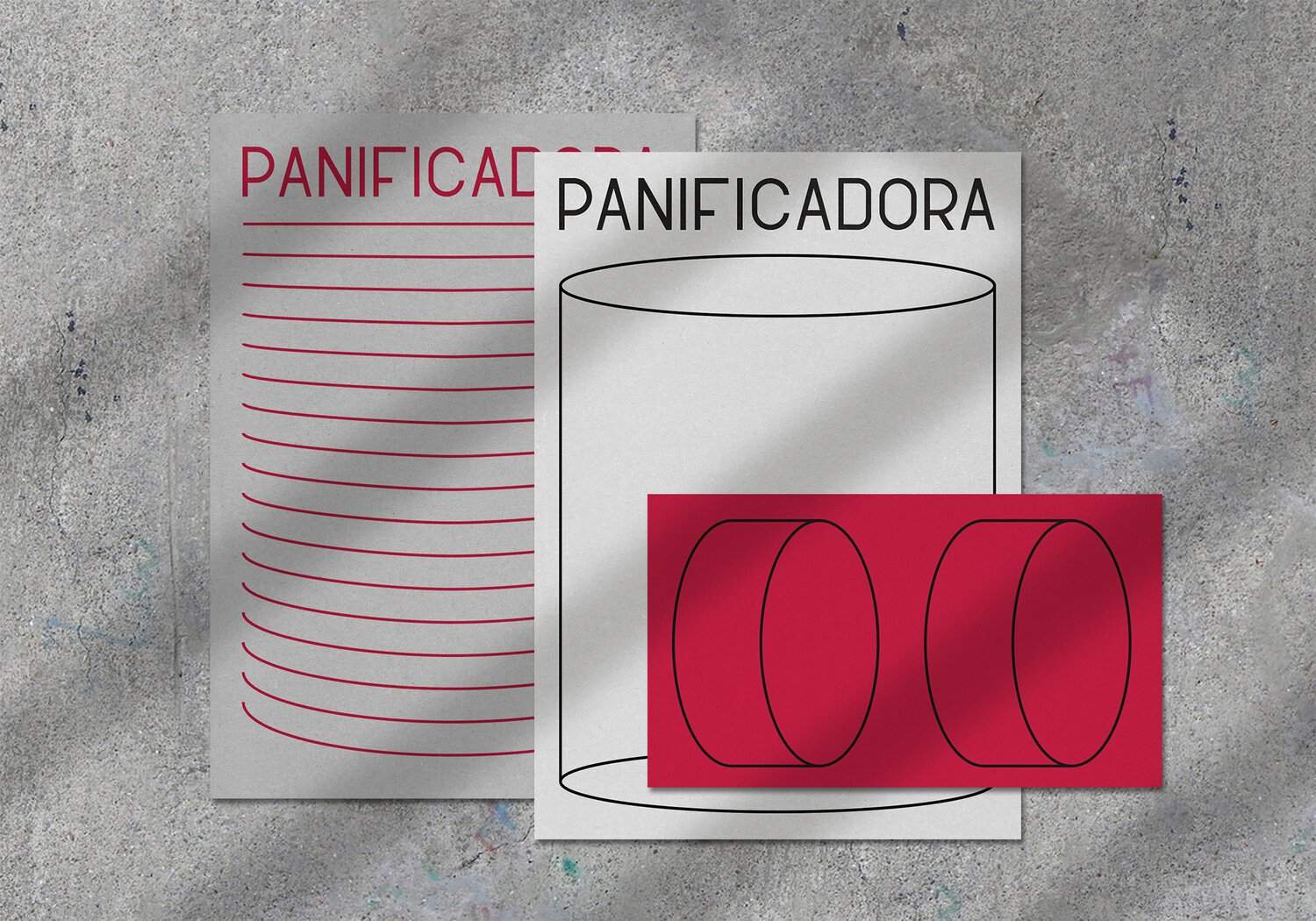
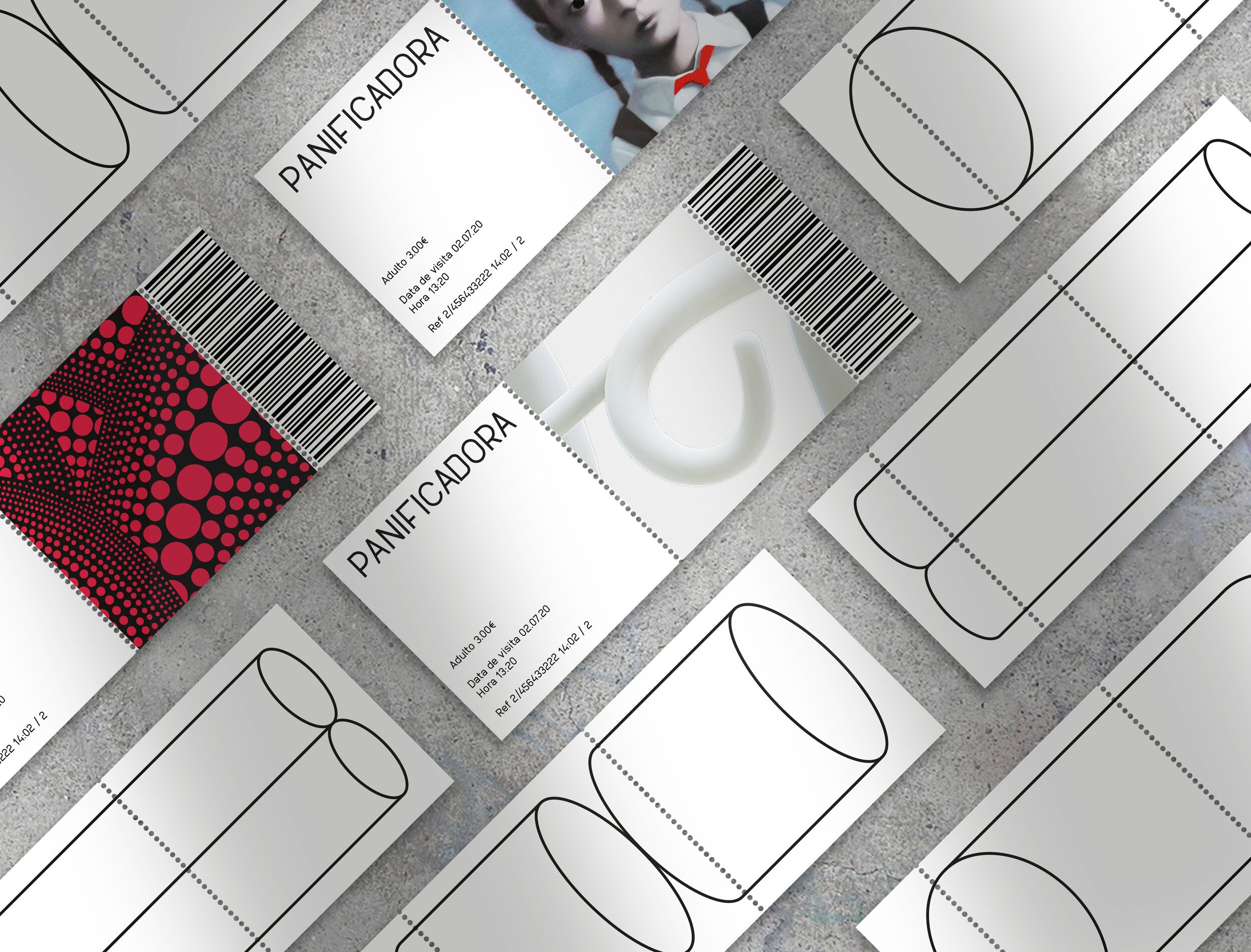
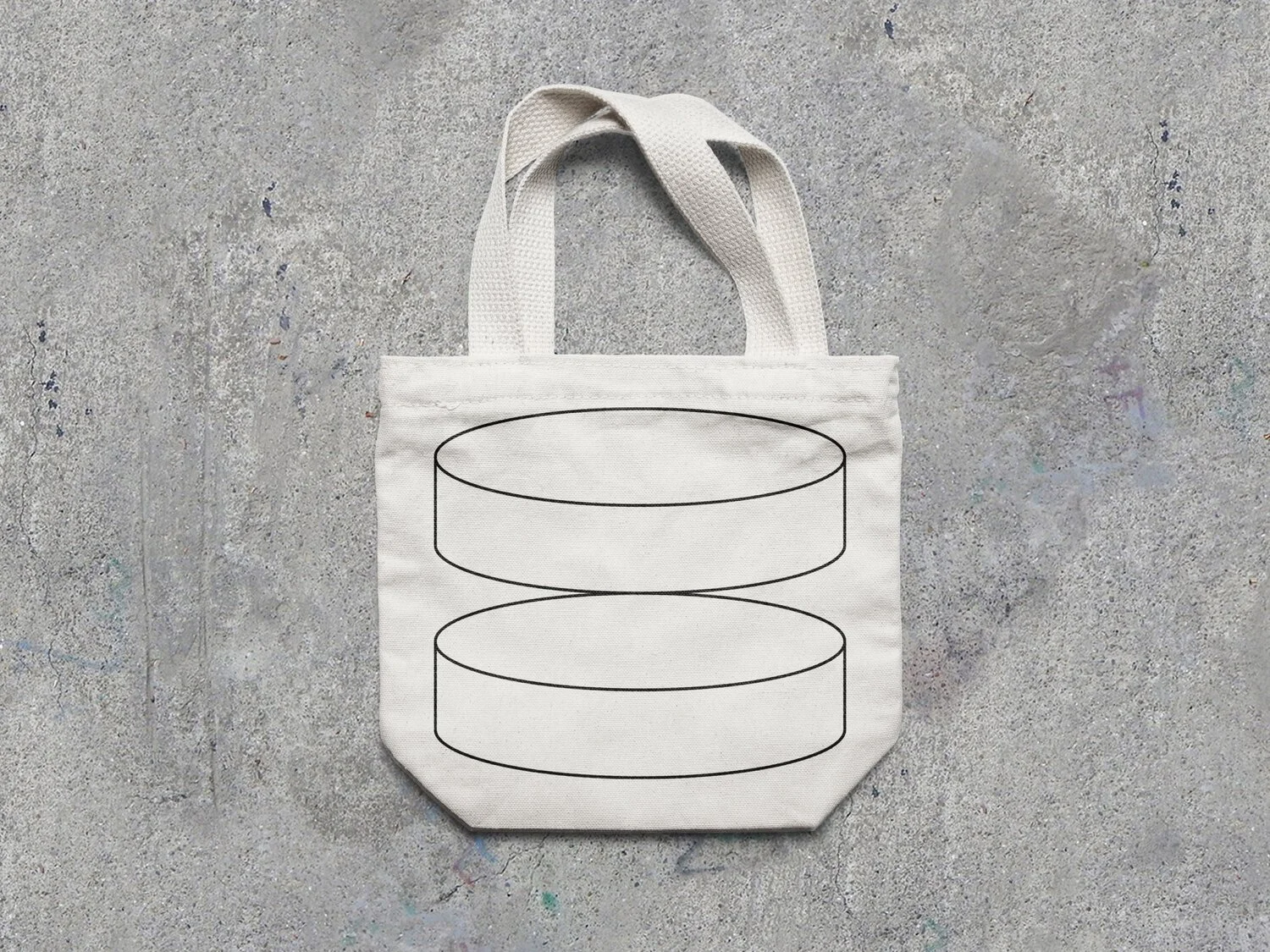
The building, made mainly of concrete, is a clear example of brutalist architecture. Founded in 1924, it was mainly based on the production of bread and was open till 1980. The inspiration for our brand was the shape of the silos and the original typeface found at the entrance of the building, which we digitalised and modernised.
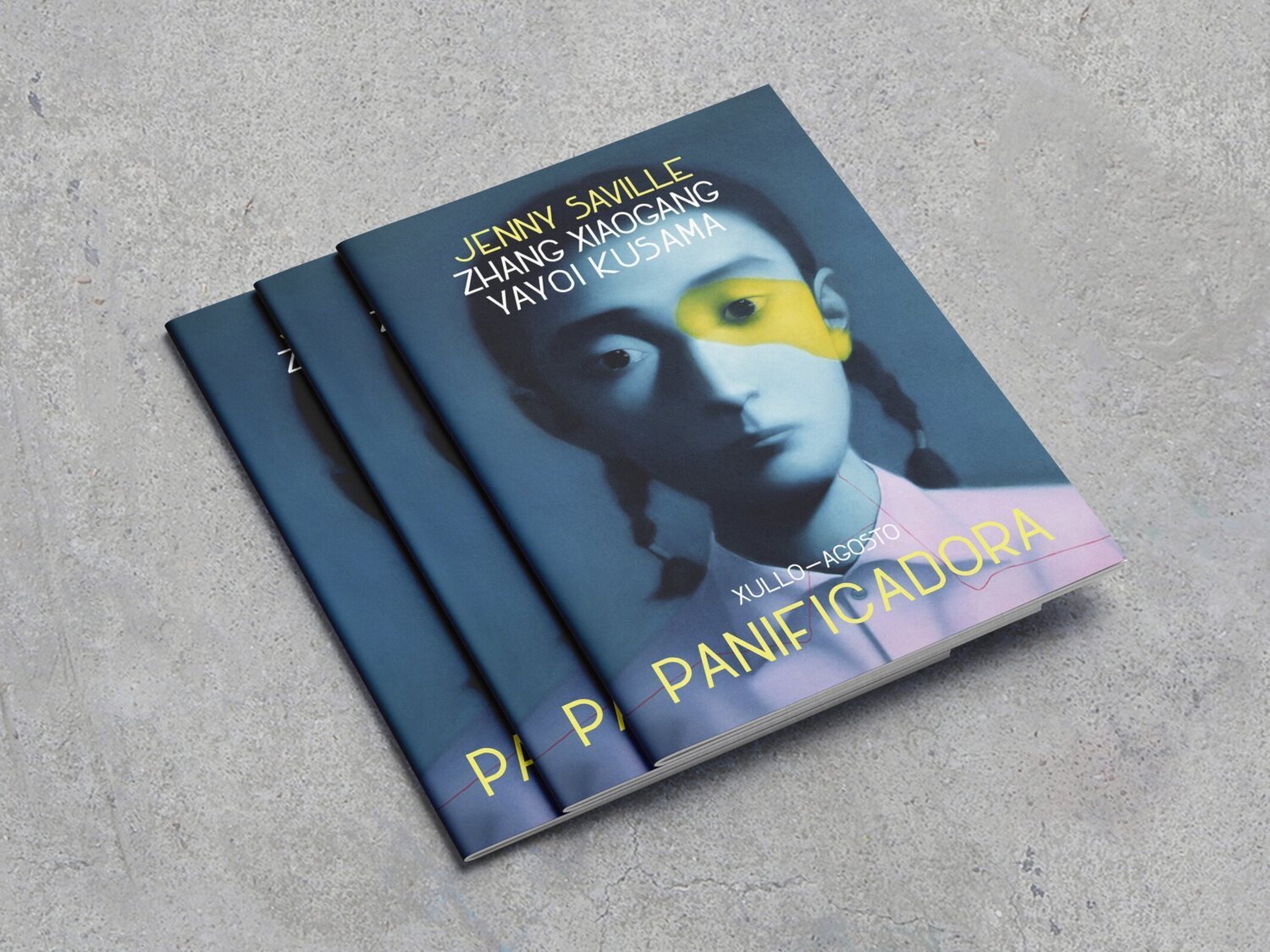
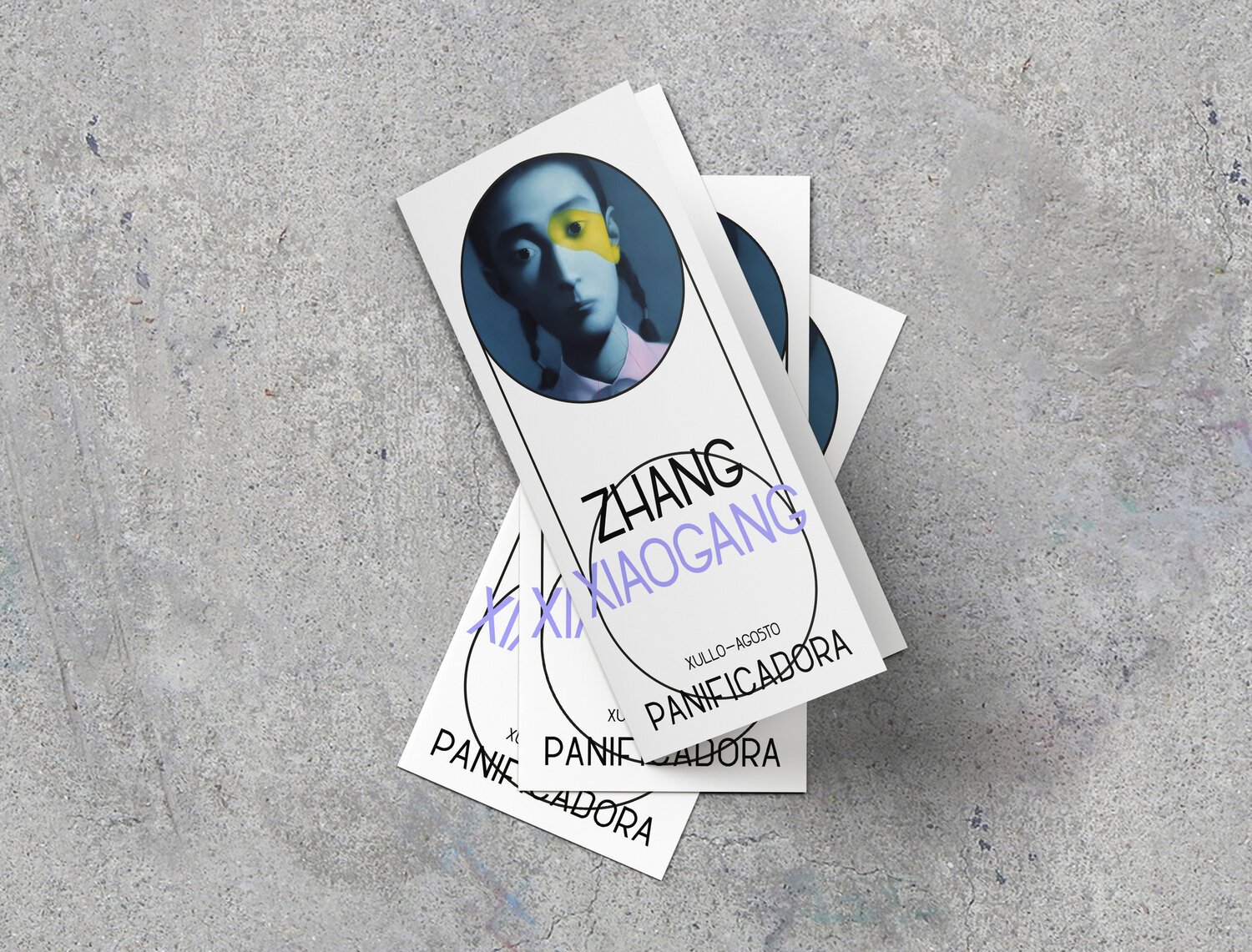
This is a project imagining the branding of the museum as if Panificadora were to become a centre for arts, culture, and youth. We do hope that one day, it will finally have the place it deserves in the city. Publishing this project made it go viral and be showcased in the best design magazines in the world. That’s how clients started finding us, and we could create: Yarza Twins.